In 2026 local search has evolved into a high competition digital battleground where visibility equals revenue. When potential customers search for nearby services the first thing they notice is not websites or ads but the top results on Google Maps. Businesses that appear at the top of these listings enjoy higher trust and stronger brand authority and significantly better conversion rates. This is why learning how to rank in that coveted #1 spot is no longer optional for local businesses that want consistent growth. For businesses that want faster results and fewer risks working with an experienced partner like Revhub US INC can transform your map listing from a simple contact card into a powerful growth engine.
Google Maps results influence buying decisions more than almost any other local channel today. Customers trust map listings because they show real businesses with real locations and authentic activity. If your business does not appear in the top local map pack you are automatically losing customers to competitors who have optimized their presence properly. This guide explains a complete Google Maps local SEO strategy for 2026 combining technical optimization with the trust signals that work in the real world.
Businesses that consistently appear in the top results on Google Maps receive more calls, website visits, and local customers than competitors.
Why Google Maps Visibility Is a Game Changer
Local search intent is extremely high. When someone searches for a service near them they are usually ready to call or visit or book immediately. Ranking on Google Maps places your business directly in front of these high intent users. In 2026 map visibility plays a central role in brand discovery especially as voice search and AI driven recommendations pull their data directly from these listings.
Businesses that invest in local map optimization consistently see better engagement and higher call volumes. This is because map results appear before organic website results and dominate the screen on mobile devices. Companies working with experienced local SEO providers such as Revhub US INC understand that Google Maps is not just a listing platform but a powerful revenue channel when handled correctly.
How Google Maps Ranking Works in 2026
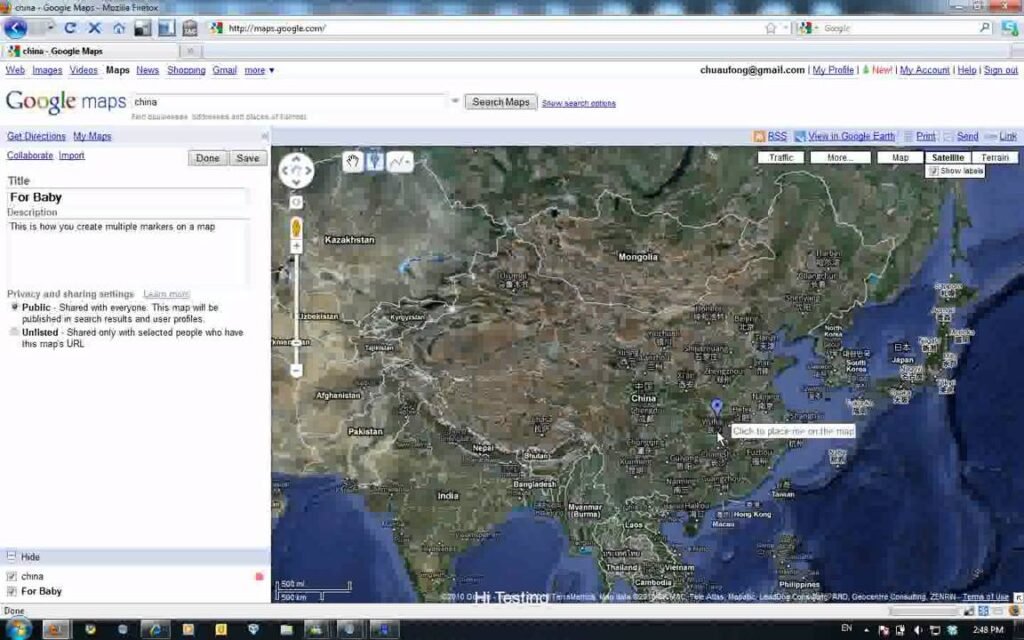
To rank higher on Google Maps it is essential to understand the three core principles of the algorithm: proximity and relevance and prominence. Proximity refers to how close your business is to the person searching. Relevance measures how accurately your business listing matches the search query. Prominence evaluates how well known and trusted your business appears across the entire web.
In 2026 these factors are enhanced by AI driven analysis. Google now looks deeper into user behavior and engagement signals and real world trust indicators. This means businesses can no longer rely on basic shortcuts. A strong strategy must focus on accuracy and authority across every digital touchpoint where your brand exists.
Google Business Profile Optimization as the Foundation
Your Google Business Profile remains the single most important asset for ranking on Google Maps. An optimized profile sends strong relevance and trust signals to the algorithm while also improving user engagement. In 2026 Google prioritizes profiles that are complete and active and regularly updated.
Optimizing your profile correctly is the foundation for achieving top results on Google Maps in competitive local markets. Ranking in the https://support.google.com/business/answer/7091
starts with a fully optimized Google Business Profile. An incomplete or outdated profile makes it very difficult for Google to trust and rank your business. Your business name, address, phone number, categories, and service areas must be accurate and consistent. According to official guidelines from Google, businesses that regularly update their profiles and upload real photos are more likely to appear higher on Google Maps.
An optimized profile includes a correct business name that follows Google’s guidelines and accurate contact details and properly selected categories. Service areas and updated operating hours also play a crucial role. High quality photos and videos showing your actual location and team and services further enhance your credibility. Businesses that work with professional local SEO teams like Revhub US INC benefit from ongoing management ensuring that listings stay compliant even as Google updates its rules.
Keyword Optimization for Google Maps Without Overdoing It
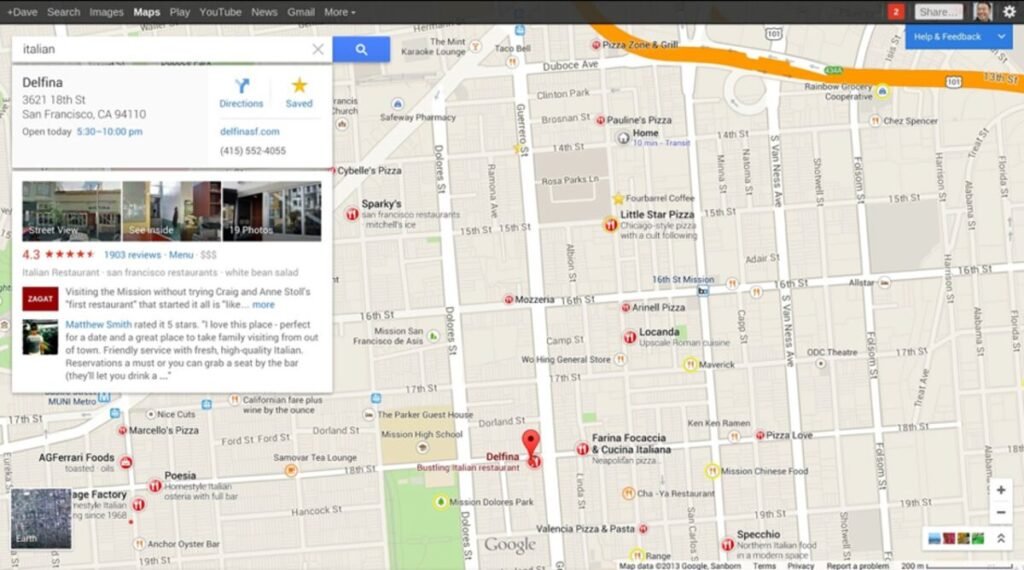
Keyword optimization is still important but the rules have changed significantly. In 2026 Google penalizes aggressive keyword stuffing while rewarding natural language. The goal is to ensure the top results on Google Maps include your business by naturally blending your services into the business description and Google Posts without forcing repetition.
Supporting terms such as improving visibility and Google Maps local SEO strategy should be used where they make sense contextually. This approach improves your relevance while maintaining the trust of the reader. Businesses that misuse keywords in their business name or descriptions often experience sudden ranking drops or even profile suspensions.
The Importance of NAP Consistency
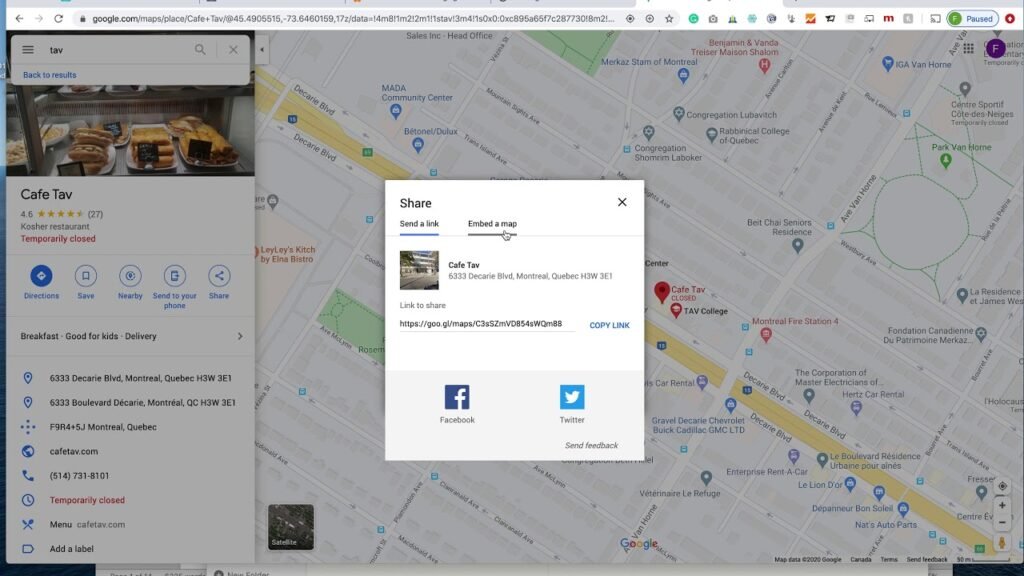
NAP consistency (Name, Address, and Phone number) remains a critical ranking factor. Your business details must be identical across all online platforms. Google cross checks this data across directories and social media and local listings to verify that your business is legitimate.
Inconsistent information creates confusion for the algorithm and weakens your trust signals. Many businesses struggle with outdated or duplicate listings which negatively affect their map presence. A professional citation cleanup process—often handled by agencies like Revhub US INC—ensures accurate data across the web which strengthens your local SEO signals.
Building Authority Through Local Citations
Local citations act as digital confirmations of your business’s existence. In 2026 the quality of citations from authoritative platforms matters far more than the quantity of mass directory submissions. Google evaluates the relevance and authority of these sources when determining your prominence.
High value listings on platforms such as Yelp or Apple Maps and industry specific directories contribute positively to your rankings. These listings reinforce your NAP consistency and help Google understand your business category. Strategic citation building is a long term investment that significantly improves your chances of landing in the local map pack.
Google Maps Reviews Strategy for Trust
Reviews are one of the strongest signals influencing rankings today. Google analyzes review quantity and freshness and even the sentiment of the text. Businesses with consistent and authentic reviews are seen as more prominent and trustworthy. Reviews play a major role in helping businesses secure top results on Google Maps by increasing trust and prominence.
An effective reviews strategy focuses on encouraging satisfied customers to leave honest feedback while responding professionally to every comment. Mentioning specific services within a review—when written naturally by a user—further enhances your relevance. Brands that partner with Revhub US INC often implement compliant review acquisition systems that help generate steady high quality feedback without violating Google’s terms of service.
Strengthening Local SEO Signals Beyond the Map
Google Maps rankings are influenced by signals beyond the map listing itself. Your website and backlinks and user behavior all play supporting roles. In 2026 Google expects businesses to maintain strong location based pages on their website and publish locally relevant content.
Local citations help Google verify that your business is real and established. When your business details are listed consistently across trusted platforms such as Yelp and Apple Maps, your authority and visibility improve. These citations strengthen your chances of appearing in the top results on Google Maps by reinforcing accuracy and relevance.
Local backlinks from trusted news outlets or community websites boost your authority. Structured data markup also helps search engines better understand your business details. A holistic approach ensures long term ranking stability rather than short term spikes in visibility.
Final Thoughts on Ranking #1 in 2026
To reach the top results on Google Maps in 2026 businesses must move beyond basic settings and adopt a strategic mindset. Success depends on accurate profile optimization and strong NAP consistency and authoritative citations and authentic reviews. Google rewards businesses that provide real value and maintain a trustworthy digital footprint.
Following this strategy gives your business a real chance to dominate the top results on Google Maps in 2026. Achieving top results on Google Maps in 2026 requires more than basic setup. Businesses must focus on accurate profile optimization, consistent citations, authentic reviews, and strong website support. When these elements are implemented correctly and maintained over time, Google rewards businesses with higher visibility and long-term local growth.
How long does it take to see results on Google Maps?
The timeline depends on competition and your current optimization. Some businesses see improvements within weeks while highly competitive markets may take several months of consistent effort.
Do reviews really impact my ranking?
Yes reviews are a major factor in determining prominence. The quantity and quality and frequency of reviews all influence how Google ranks your business.
Can my business rank without a physical storefront?
Service area businesses can definitely rank on Google Maps but proper setup and verification are essential to stay compliant with Google’s guidelines.
Is Google Maps SEO different from regular SEO?
Yes Google Maps SEO focuses more on local signals like proximity and NAP consistency and reviews while traditional SEO emphasizes website content and broad backlinks.