
Using artificial intelligence in marketing is no longer a future trend—it is a practical solution that businesses use every day to improve efficiency, increase engagement, and drive better results. From content creation and customer personalization to predictive analytics and automation, AI is transforming how brands connect with their audiences.
Businesses of all sizes are discovering new ways to streamline operations and improve return on investment through AI-powered tools. Whether you want to understand AI in digital marketing or learn how to use AI in marketing effectively, the right strategies can help you stay competitive in an increasingly digital world.
In this guide, we will explore seven practical strategies that demonstrate the real-world application of AI in marketing and show how businesses can leverage AI to achieve measurable growth.
Understanding AI in Digital Marketing
Artificial intelligence refers to technologies that enable machines to analyze data, identify patterns, make decisions, and perform tasks that traditionally required human intelligence. In digital marketing, AI helps businesses process large amounts of information and use insights to improve campaigns, customer experiences, and overall marketing performance.
Some of the most common AI technologies used in marketing include:
- Machine learning
- Natural language processing (NLP)
- Predictive analytics
- Computer vision
- Marketing automation
The growing adoption of AI has made it easier for marketers to create targeted campaigns, automate repetitive tasks, and make data-driven decisions faster than ever before.
Businesses looking to improve their Ai Marketing strategies are increasingly turning to AI-powered technologies to gain a competitive advantage.
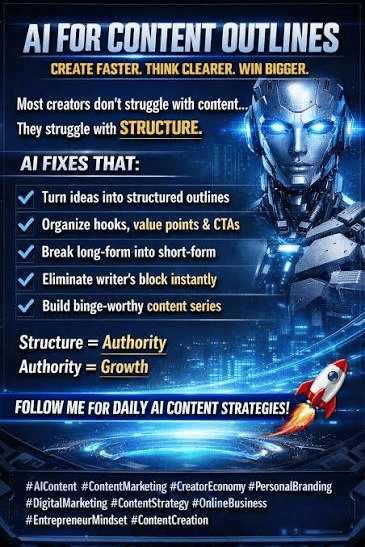
1. Create High-Quality Content Faster With AI
Content remains one of the most important components of digital marketing. However, creating consistent, high-quality content can be time-consuming. AI tools help marketers accelerate content production while maintaining quality.
AI-Powered Content Creation
AI writing tools can assist with:
- Blog outlines
- Article drafts
- Social media captions
- Email copy
- Product descriptions
These tools help marketers generate ideas and create first drafts more efficiently.
Content Optimization for SEO
AI can also analyze search trends and recommend:
- Relevant keywords
- Content structure improvements
- Readability enhancements
- Meta descriptions
- Internal linking opportunities
This allows businesses to create content that aligns with user intent and search engine requirements.
Content Repurposing
AI tools can transform one piece of content into multiple formats, such as turning a blog post into social media posts, email newsletters, or video scripts. This helps maximize content value while reducing workload.
2. Personalize Customer Experiences at Scale
Modern consumers expect personalized experiences. AI makes personalization possible on a large scale by analyzing customer behavior and preferences.
Personalized Product Recommendations
Many online businesses use AI to recommend products based on:
- Browsing history
- Purchase behavior
- Customer interests
- Engagement patterns
These recommendations increase customer satisfaction and conversion rates.
Customized Email Marketing
AI helps marketers send personalized emails by analyzing user behavior and determining:
- Preferred content
- Best sending times
- Product interests
- Purchase intent
This leads to higher open rates and better engagement.
Dynamic Website Experiences
AI can modify website content in real time based on visitor behavior. Different users may see different offers, recommendations, or calls to action depending on their interests.
3. Automate Marketing Workflows and Repetitive Tasks
One of the most valuable benefits of using artificial intelligence in marketing is automation.
Marketing teams spend significant time on repetitive activities that AI can handle automatically.
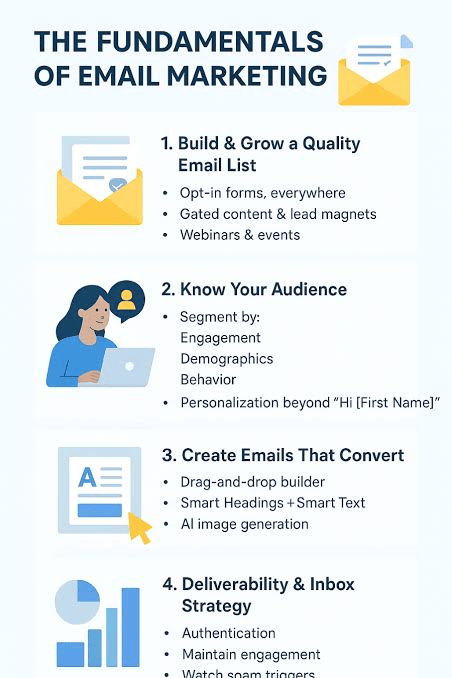
Email Automation
AI-powered systems can:
- Trigger follow-up emails
- Segment audiences
- Nurture leads
- Personalize messaging
This allows businesses to maintain communication without constant manual effort.
Lead Scoring
AI evaluates potential customers based on behavior and engagement levels. This helps sales and marketing teams prioritize high-quality leads.
Campaign Management
An advanced Al-driven platform can automate scheduling, monitor campaign performance, and recommend optimizations, allowing marketers to focus on strategy rather than administrative tasks.
4. Improve Paid Advertising Performance
Paid advertising can be expensive if campaigns are not optimized correctly. AI helps marketers maximize advertising budgets and improve results.
Smart Audience Targeting
AI analyzes customer data to identify audiences most likely to convert. This improves ad relevance and reduces wasted spending.
Automated Bidding
Many advertising platforms use AI-powered bidding systems that automatically adjust bids based on performance goals.
Benefits include:
- Better cost efficiency
- Higher conversion rates
- Improved return on ad spend
Creative Optimization
AI can analyze ad performance and suggest improvements to:
- Headlines
- Ad copy
- Images
- Landing pages
This helps marketers continually improve campaign effectiveness.
5. Enhance Social Media Marketing Efforts
Social media platforms generate massive amounts of data every day. AI helps marketers make sense of that information and improve performance.
Content Scheduling
AI tools determine the best times to publish content based on audience activity.
Trend Identification
AI can identify emerging trends, helping brands create timely and relevant content.
Sentiment Analysis
AI-powered sentiment analysis evaluates customer comments, reviews, and mentions to understand public perception.
This helps businesses:
- Monitor brand reputation
- Identify customer concerns
- Improve engagement strategies
The ability to quickly respond to customer feedback makes social media marketing more effective and data-driven.
6. Use Predictive Analytics for Better Decisions
Predictive analytics is one of the most powerful examples of the application of AI in marketing.
By analyzing historical data, AI can forecast future outcomes and help businesses make informed decisions.
Predict Customer Behavior
AI can identify patterns that indicate:
- Purchase intent
- Customer churn risk
- Product preferences
- Future buying behavior
Forecast Campaign Results
Marketers can estimate:
- Expected conversions
- Revenue potential
- Audience engagement
- Advertising performance
Improve Strategic Planning
Predictive insights help businesses allocate resources more effectively and focus on opportunities with the highest potential return.
For organizations that want to understand AI in digital marketing, predictive analytics demonstrates how AI turns raw data into actionable business intelligence.
7. Strengthen Customer Support With AI
Customer support plays a critical role in customer satisfaction and retention. AI enhances support operations while improving response times.
AI Chatbots
Modern chatbots can answer common questions, guide users through processes, and provide instant assistance.
Benefits include:
- 24/7 availability
- Faster response times
- Reduced support workload
- Improved customer satisfaction
Virtual Assistants
AI-powered virtual assistants help customers find information, track orders, and resolve issues efficiently.
Knowledge Base Optimization
AI can analyze customer inquiries and identify common questions. Businesses can then create helpful resources that address customer needs proactively.
Many companies implementing Ai Marketing Solutions use AI-powered customer support systems to improve engagement and create seamless customer experiences.
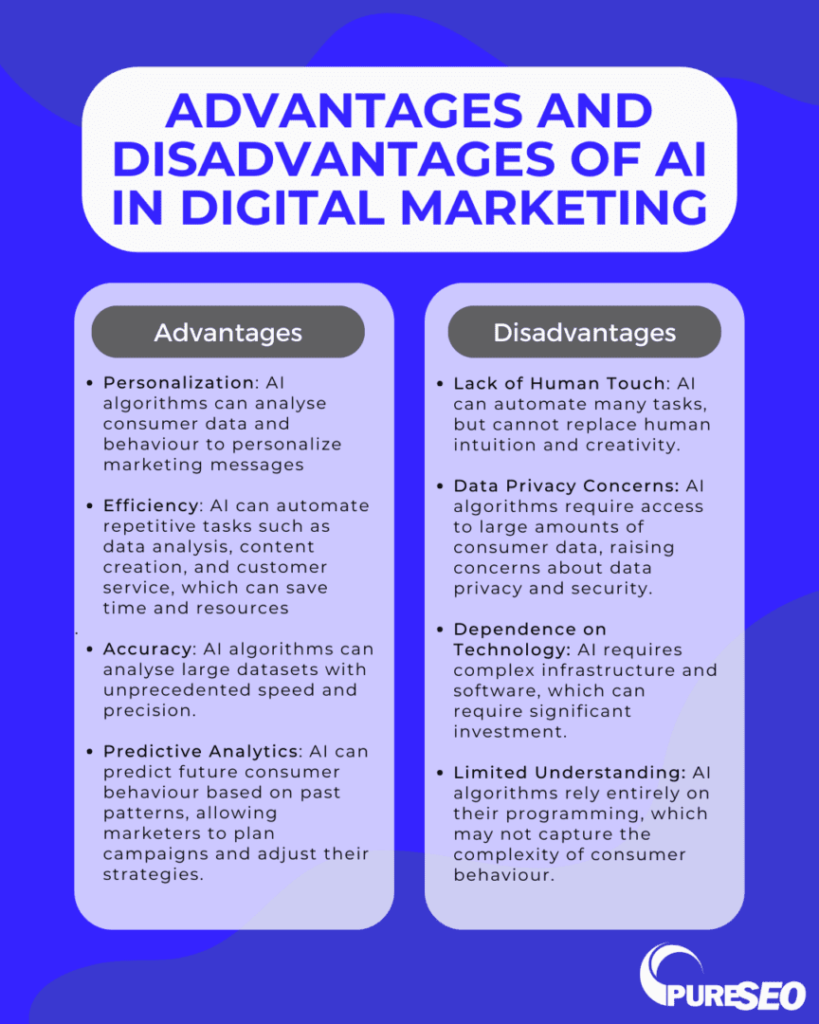
Common Challenges of Using Artificial Intelligence in Marketing
While AI offers significant benefits, businesses should also be aware of potential challenges.
Data Privacy Concerns
AI systems rely heavily on customer data. Businesses must ensure compliance with privacy regulations and maintain transparency.
Algorithm Bias
Poor-quality data can lead to biased recommendations and inaccurate outcomes.
Human Oversight
AI should support human decision-making rather than replace it entirely. Human expertise remains essential for strategy, creativity, and relationship building.
Best Practices for Implementing AI Marketing Strategies
To maximize success with AI, businesses should follow these best practices:
Start With Clear Goals
Define specific objectives before adopting AI tools.
Focus on High-Impact Areas
Begin with tasks that consume significant time or resources.
Use Quality Data
AI performance depends on accurate and reliable data.
Monitor Performance Regularly
Track results and make adjustments based on insights.
Maintain Human Creativity
Use AI to enhance creativity, not replace it.
The most successful organizations combine AI efficiency with human expertise to create stronger marketing outcomes.
Conclusion
Artificial intelligence is reshaping the marketing landscape by helping businesses automate processes, personalize customer experiences, improve advertising performance, and make smarter decisions. The growing adoption of using artificial intelligence in marketing demonstrates its ability to deliver measurable results across multiple channels.
Whether your goal is content creation, customer engagement, social media management, or predictive analytics, understanding how to use AI in marketing can help your business stay ahead of the competition.
At Revhub US INC, businesses can leverage modern AI technologies and innovative marketing strategies to improve efficiency, increase engagement, and drive sustainable growth. As AI continues to evolve, organizations that embrace intelligent solutions today will be better positioned for long-term success.
Frequently Asked Questions
What is AI in digital marketing?
AI in digital marketing refers to the use of artificial intelligence technologies to automate tasks, analyze data, personalize customer experiences, and improve marketing performance.
How does AI improve marketing performance?
AI improves marketing performance by optimizing campaigns, automating repetitive tasks, analyzing customer behavior, and delivering personalized experiences.
What are the benefits of using artificial intelligence in marketing?
Benefits include improved efficiency, better customer targeting, enhanced personalization, higher ROI, and more accurate decision-making.
Can small businesses use AI marketing tools?
Yes. Many AI tools are affordable and scalable, making them suitable for small businesses as well as large enterprises.